Hours vary Hilliard (614) 913-3809
SOS Home Ohio
Attic Insulation That Works With Your Roof

Hilliard Local

Attic Insulation That Works With Your Roof

Proper attic insulation protects your home from Ohio's cold winters, hot summers, and the ice dams that follow.

Free estimate

Tell us what you need

Three fields. It reaches a person here, not a call centre.

No obligation · Responds within 1 business day


By submitting this form you agree that we may contact you about your request and share your details with partner companies for marketing purposes.

Roofing and Insulation Work Together

A poorly insulated attic doesn't just drive up your energy bill. It shortens the life of your roofing system. Heat escaping through the attic floor warms the deck, melts snow unevenly, and creates the ice dams that tear gutters loose and force water under shingles every February. Fixing the insulation fixes the problem at its source. SOS Home Ohio handles attic insulation as part of a full exterior assessment, so you're not patching one symptom while the next one builds. Call 614-913-3809 to schedule a look.

Attic insulation work varies significantly based on what's already up there, how accessible the space is, and what your home actually needs. Some attics just need more blown-in insulation on top of existing material. Others need air sealing around penetrations before any insulation goes down, or a full removal of damaged, compressed, or pest-compromised material before starting fresh. The difference matters. Skipping air sealing and just adding R-value on top of a leaky attic floor is one of the most common mistakes in the trade. Every job is different -- contact SOS Home Ohio for an accurate estimate.

Why It Matters

What a Failing Attic Does to Your Roof

The attic and the roof deck are connected. Problems below show up above.

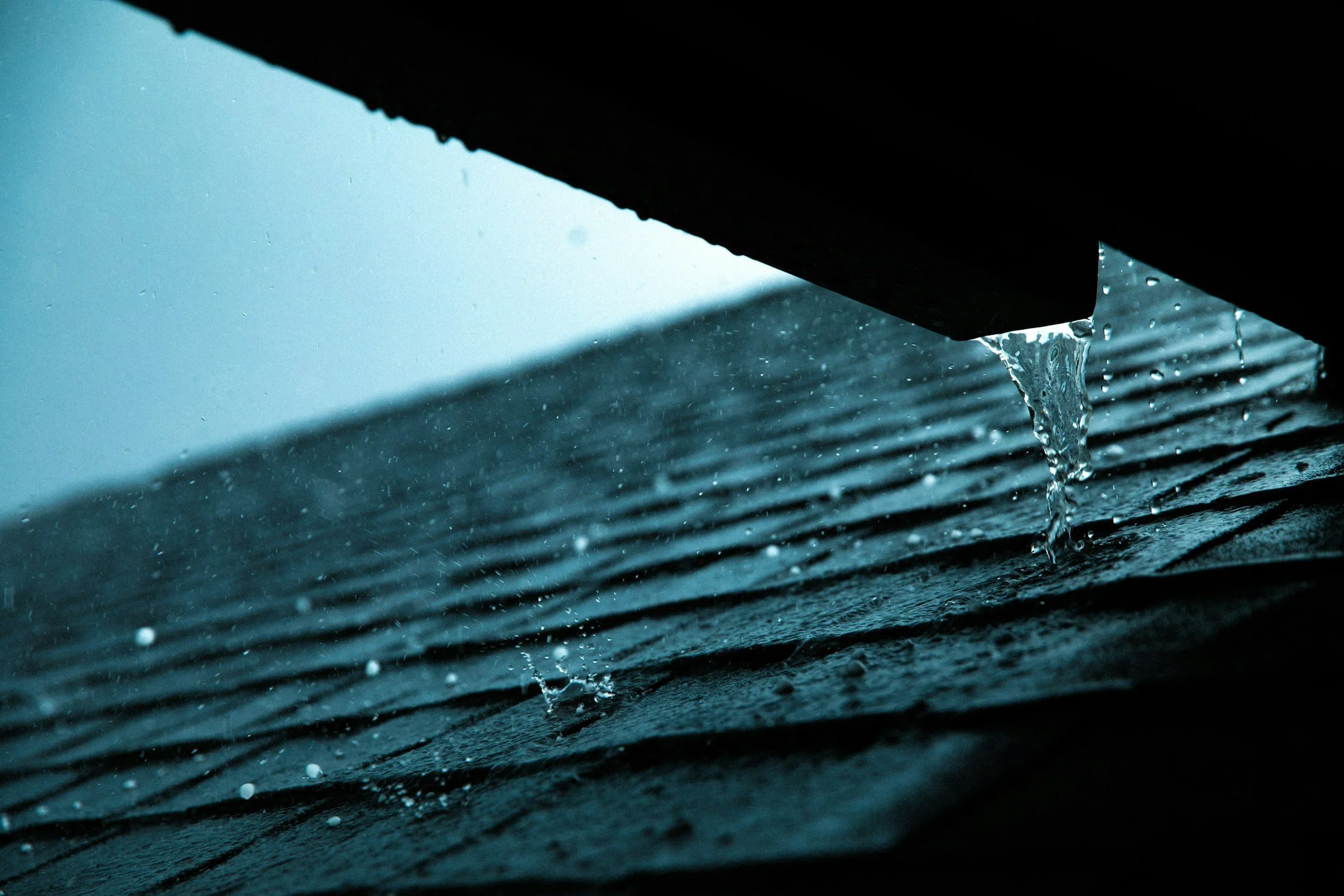
Most homeowners think about insulation as a heating and cooling issue. It is. But in Ohio, where you can get 20-degree nights in March followed by a week of freezing rain, the attic is also the first line of defense against ice dam formation. When warm air escapes through a poorly insulated attic floor, it heats the deck from below. Snow melts at the ridge, runs down the slope, refreezes at the eaves, and backs up under the shingles. That's ice dam damage, and it doesn't show up on your ceiling until the water's already been sitting there for days. A roof inspection that includes the attic interior catches this before the repair bill arrives. Andy Wirt, one of our recent customers, noted that SOS Home Ohio's inspection covered the attic interior specifically -- that's not something every contractor bothers with.
ice dam history work, professional service in Hilliard, OH

Materials

Blown-In vs. Batt Insulation
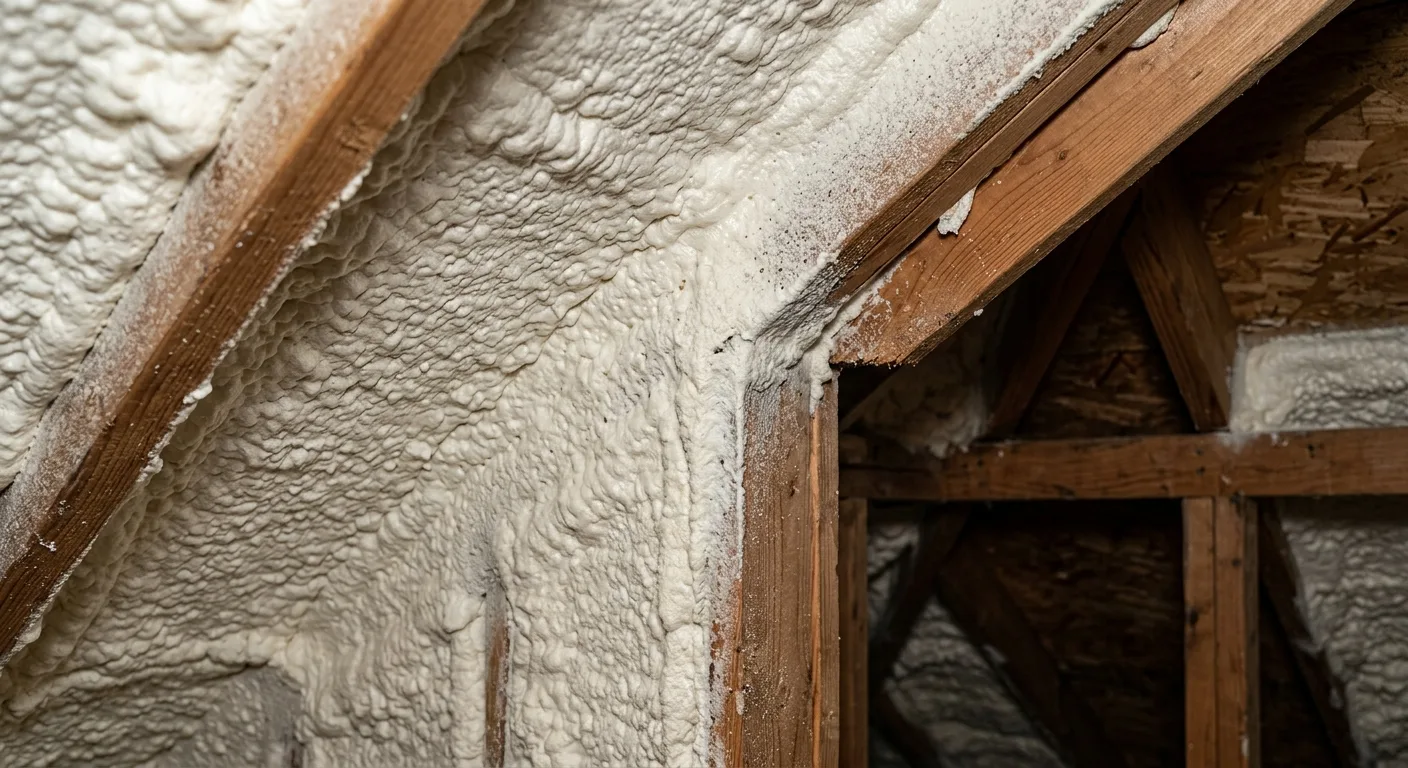
attic insulation work, professional service in Hilliard, OH
Blown-in insulation -- typically fiberglass or cellulose -- covers irregular spaces, works around obstructions, and settles in around framing without gaps. It's the standard choice for existing attics where the floor is already sheathed and access is limited. Batt insulation (the pink fiberglass rolls most people picture) works better in open framing situations, new construction, or when doing a full removal and restart. Neither one is always the right answer. The attic's layout, the existing material, and what you're trying to accomplish all factor into which product goes in. We won't recommend a more expensive approach when a simpler one gets the job done.

Our Process

How the Process Works

Three steps, no surprises.

  1. 01

    Assessment

    We inspect the attic before quoting anything. Existing R-value, air leaks, moisture, ventilation, and any damage all get noted. You get a clear picture of what's there and what it needs.

  2. 02

    Air Sealing First

    Before insulation goes in, we seal penetrations around wires, pipes, recessed lights, and attic hatches. This is the step most contractors skip. It's also where most of the heat loss actually lives.

  3. 03

    Insulation Install

    Blown-in or batt insulation goes in to the depth your home needs to hit target R-value. We check ventilation baffles before we're done to make sure airflow is intact from soffit to ridge.

When Attic Work Connects to Roof Work

01

Roof Replacement Projects

Attic air sealing before a new roof goes on extends the life of the deck and shingles. Worth doing at the same time.

02

Ice Dam History

If your gutters have pulled away from the fascia or you've had water staining on interior ceilings after freeze-thaw cycles, insulation is part of the answer.

03

High Energy Bills

Heating and cooling costs that don't match your home's size are one of the clearest signals of insufficient attic insulation.

What Homeowners Say About SOS Home Ohio
Get an Attic Assessment Scheduled

Stop losing heat through the attic and start protecting the roof above it.

Frequently asked questions

What R-value does an attic in Ohio need?
The Department of Energy recommends R-49 to R-60 for attics in Ohio's climate zone, which covers most of the state. Older homes built before 2000 often have R-19 or less -- sometimes nothing but the original plank sheathing. Getting to R-49 typically means adding 14 to 18 inches of blown-in fiberglass or cellulose on top of existing material, after air sealing. Every job is different -- contact SOS Home Ohio for an accurate estimate.
Does attic insulation actually prevent ice dams?
It's one of the two factors that matter most. Ice dams form when heat escapes through the attic floor, warms the deck, and melts snow at the ridge. That meltwater runs down and refreezes at the cold eaves. Proper insulation keeps the attic cold and the deck uniformly cold, so snow melts at the same rate everywhere or not at all. The second factor is ventilation -- airflow from soffit to ridge pulls any residual heat out. Both need to be right.
Can new insulation just go on top of what's already there?
Often yes, but not always. If the existing insulation is compressed, wet, or contaminated by pests or mold, it comes out first. Adding R-value on top of compromised material doesn't fix the underlying problem and can trap moisture. If the existing material is dry and intact, blown-in insulation can typically go right over it after air sealing is completed at the attic floor level.
How does attic insulation relate to roof damage?
Directly. A warm attic deck -- caused by insufficient insulation below -- creates the conditions for ice dams, which force water under shingles and cause interior leaks. It also accelerates deck deterioration over time by cycling through freeze-thaw repeatedly. If you're scheduling a roof repair or replacement and haven't had the attic assessed, you're solving half the problem.
Will adding insulation block my attic ventilation?
It can, if the installation isn't done correctly. Ventilation baffles need to be in place at every rafter bay before blown-in insulation goes in, creating a clear channel from the soffit vents up to the ridge. Blocking that airflow traps heat and moisture, which causes the exact problems insulation is supposed to prevent. We check baffles before and after every installation.
Does attic insulation help in summer as well as winter?
Yes. In an Ohio summer, an under-insulated attic can reach 150 degrees or more, radiating heat down into the living space and driving up air conditioning load. The same R-value that keeps heat in during January keeps radiant heat out in July. Homes with high summer cooling bills often show significant improvement after an attic upgrade.

Related